
Doorways Beyond the Market: Wandering the Courtyards You Almost Miss
Step off the bustling square and follow the hush. Today we explore the hidden courtyards of historic market towns, where time seems to fold behind archways, iron gates, and timber-framed passages. Expect echoes of carts on cobbles, flour-dusted thresholds, faded painted signs, and climbing roses tamed by generations. We will share ways to find these quiet enclaves, listen for their stories, and experience them with care and curiosity. Bring your patience, your softest footsteps, and, if you wish, your camera. Share your own discoveries with us, subscribe for more wanderings, and help map the unassuming magic.
Origins Behind the Arches
Beyond the market cross and shouting traders, small communities once formed around sheltered yards where work, rest, and gossip intertwined. These spaces collected everything the front street could not hold: stables, workshops, brew houses, drying lines, water butts, and whispered news. Many were born from medieval patterns, then reshaped by coaching eras, then patched again by twentieth-century hands. To understand their present hush, listen for the clatter that shaped them. Walk slowly, read worn thresholds, and imagine the choreography of deliveries, apprentices, and hearth smoke drawing neighbors like moths to dependable, everyday warmth.
Coaching Inns and Night-Fire Warmth
Behind an inn’s broad arch, wagons once rolled into protected rectangles bordered by galleries and haylofts. Ostlers knew every hoofbeat; lanterns combed shadows for arrivals after dark. These yards were purposeful, communal, and surprisingly tender places, where strangers became guests and guests sometimes lingered to trade news. Today you may read the story in doors that open oddly high, old mounting blocks beside steps, and beams charred shiny by a thousand quiet nights of banking the fire before sleep.
Guild Work, Shared Wells, and Quiet Industry
Courtyards often hosted the hidden industry that fed the front street’s display. Tanners soaked, weavers beat time, and smiths struck cautious sparks far from silks and butter. Wells in corners gathered gossip with each bucket. You can still trace these patterns in drain channels cut through stone, anchor points for pulley lines, and thresholds worn to a gentle dish. Imagine apprentices racing errands, fingers stained by dye or flour, learning the unglamorous rhythms that kept the town’s promise to every market-day face.
How to Find What Locals Guard Quietly
Hidden places rarely announce themselves. They wait, testing whether you can translate their language of clues: a lane narrower than comfort, a sagging lintel with paint long surrendered, a brass number where no front door seems needed. Approach with courtesy, ready to turn back if the space is private or someone’s sanctuary. Ask shopkeepers gently; many hold keys of memory more useful than maps. Move at the tempo of old brickwork and ivy, letting your curiosity smile rather than demand, inviting the courtyard to choose when it wishes to be found.

Architecture in Miniature: Materials, Light, and Proportion
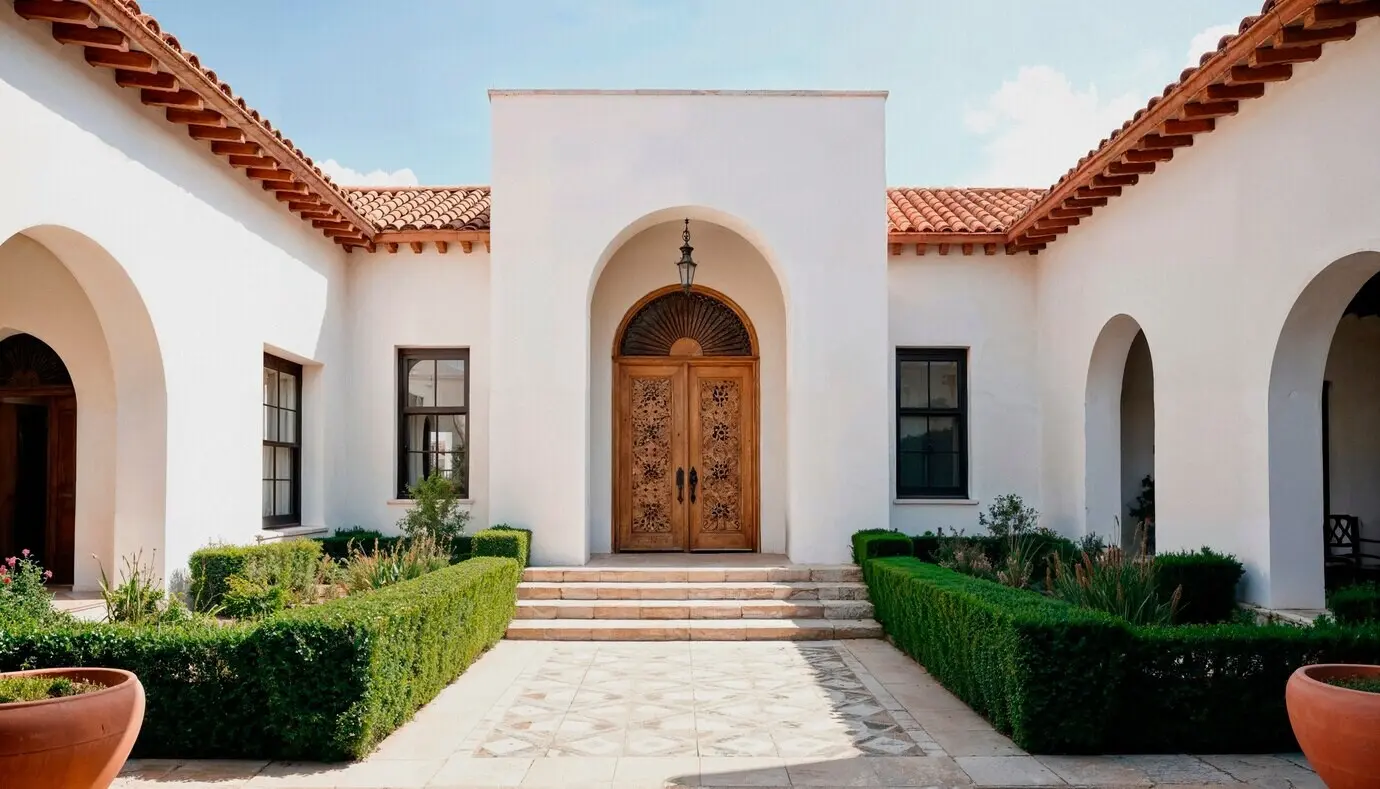
Courtyards compress architecture into intimate theatres where materials speak without microphones. Brick softens under centuries of soot and washing, timber breathes, lime mortar flexes like a living seam, and cobbles gather the town’s memory underfoot. Sunlight distributes favors unevenly, painting niches gold while leaving wells blue. Proportions skew delightfully: staircases narrower than modern hips, doorways trimmed for draughts, galleries stitched with brackets like musical notes. By reading these details, you can time-travel responsibly, honoring the craft and constraints that once framed daily survival while guiding gentle, modern adaptation.
The Baker Who Banked Warmth for Winter
Older towns tell of a baker who shared embers when frosts bit hard, sending boys with lidded pots along gallery rails to neighbors saving on coal. In return came jars of jam, a mended apron, or apples wrapped in gossip. Stand where a peel once slid loaves and feel the generosity still baked into brick. Modern equivalents exist: a café that keeps a book corner open late, or a studio loaning tools. Such reciprocity turns a courtyard from space into sustenance, quietly, unspectacularly, brilliantly.

Games Between Carts, Hiding Places Between Trades
Children made athletics from logistics, sprinting the line of puddles, claiming territories beneath stairs, whispering passwords older than prudence. Chalking hopscotch around deliveries taught timing as much as play. A dropped apple became treasure if rolled safely to the well’s rim. You can spot their world in scuffs low on plaster and initials scratched discreetly under sills. Let these clues remind you that heritage is also laughter weathering into stone, and that resilience often starts with learning to dodge a wheel, share a crust, and still be invited tomorrow.

A Postmistress, a Sparrow, and Letters Finding Home
One courtyard remembers a postmistress who knew hands by the weight of their knock. A sparrow nested above her window, and she insisted the town’s news reached everyone, even when gates stuck in winter. Her ledger recorded debts in kindness as often as coin. Today the sparrow’s kin still claim that lintel. Consider leaving a note of thanks for those who carry messages—literal or lived—through narrow places. Their service knits the quiet to the busy, ensuring courtyards remain bridges, not cul-de-sacs, in the gentle geography of belonging.
Photographing Quiet Spaces Without Disturbing Them
Cameras can either honor or consume. In small courtyards, the difference begins with breath: slow yours, then align your eye with the place’s dignity. Ask permission where people live or work. Avoid blocking thresholds or staging shots that turn life into backdrop. Seek textures and intersections rather than trophies. Light is your collaborator; let it decide the mood instead of forcing it with flashes. Share images that teach care, credit craftspeople whose work you admire, and invite conversation in captions. Let your portfolio become a guidebook to gentleness and attention.
Leave room for those who belong here first. Step back until you can breathe without brushing paint, and work with available light to honor the atmosphere residents curate daily. Side light wakes texture; overcast days soften contrast so brick speaks quietly. Kneel if needed, but never on thresholds. Let reflections in small panes frame your story without peering aggressively inside. Compose for edges, corners, and the patience of wear. Your best image may come just after you decide not to take another, listening instead to creak, kettle, and wing.
A phone can tell this story beautifully when used with restraint and clean lenses. If you carry a camera, choose compact gear and silent shutters. Fast primes whisper in low light, while wider angles catch the choreography of galleries and stairs. Tripods often intrude in small spaces; brace against a wall instead. Pack kindness before filters: smile, step aside, show someone their portrait if asked, and delete it graciously if they prefer. Technology should amplify your attention, not replace it, and never outweigh the cup of tea you might be offered.
Post-processing can preserve the patience you witnessed. Lift shadows gently to reveal texture, resist the urge to bleach patina into sterility, and avoid fabricating histories with overzealous filters. Caption with generosity: acknowledge private spaces, credit artists, and suggest visiting hours that respect residents. Invite viewers to tread softly, not merely arrive. Consider pairing images with snippets of oral history or archival quotes, turning your gallery into a living footnote. When you publish, link to local initiatives that keep shutters oiled and ivy trimmed, transforming admiration into stewardship rather than spectacle.
Preservation and the Modern Pulse
{{SECTION_SUBTITLE}}

Regenerating With Care: Cafés, Studios, and Co-ops
Revival succeeds when it listens harder than it plans. A café can anchor mornings without monopolizing space; a studio can light windows again without blinding neighbors. Mixed tenancy keeps rhythms humane, ensuring footfall, safety, and revenue align with rest. Watch for projects that reuse materials on site, share utilities discreetly, and write charters valuing community over trend. Celebrate benches installed where elders prefer to gossip, not where cameras prefer to perch. When commercial life learns the courtyard’s language of moderation and kindness, prosperity and memory grow like espaliered pears—disciplined, generous, and deeply rooted.
Access, Consent, and Everyday Courtesy
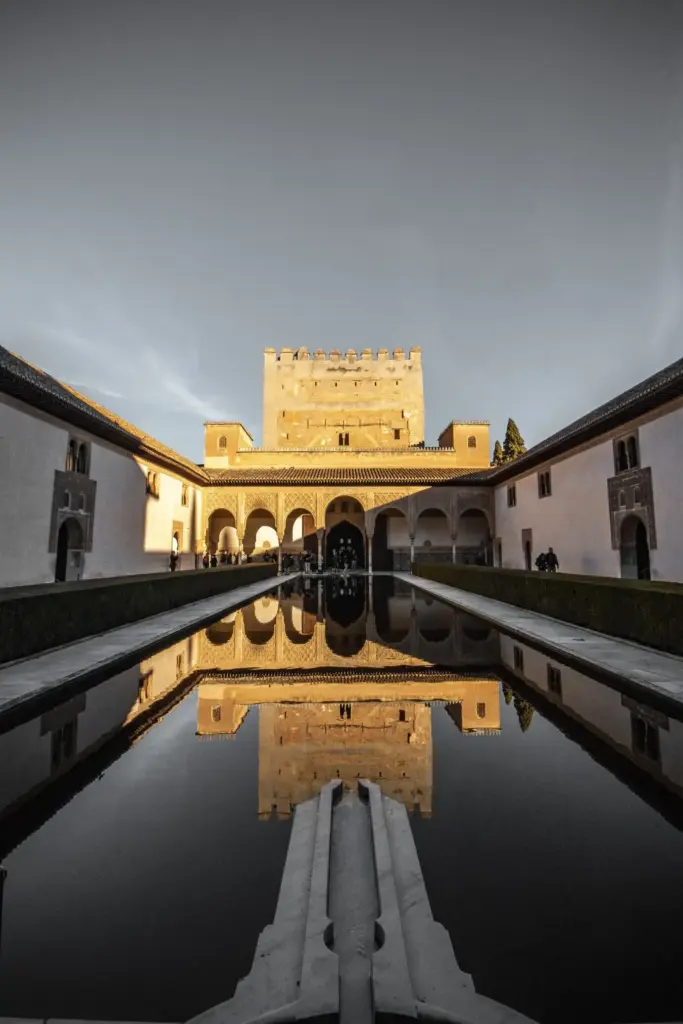
Public-right-of-way does not equal permanent invitation; private does not always mean closed heart. Read plaques, mind chains across openings, and remember that a pram or wheelchair needs the space your stance might steal. Photograph shopfronts rather than prying into windows. If someone asks for privacy, thank them and step back. Offer directions to lost visitors when you can. Carry away rather than bring noise, especially early or late. In these courtyards, civility becomes preservation, reinforcing the idea that heritage survives best when daily life feels comfortable, safe, and seen.
All Rights Reserved.