Into the Hidden Back Courts of Historic Markets

Step behind the stalls and into back-court spaces in historic market centers, where handcarts rattle, stairwells flicker, and stories gather like dust on worn stone. This photographer’s guide reveals how to find, approach, and beautifully document these overlooked arteries—balancing light, access, safety, and respect. Expect practical tactics, human-centered ethics, nimble gear choices, and field anecdotes from Istanbul hans to Oaxaca loading bays. Share questions, subscribe for dispatches, and bring curiosity; the most memorable frames often wait just out of sight.

Finding the Hidden Courtyards

Maps rarely acknowledge the passages that keep markets alive. Learn to read side alleys, smell roasting coffee drifting behind façades, and follow the clang of keys where caretakers open iron gates. We will practice polite inquiry, mindful observation, and situational patience, so access becomes an earned conversation rather than intrusion. Expect strategies for scouting from rooftop cafés, tracing delivery routes, and noticing stacked crates that quietly point toward the true heart of the marketplace.

Reading the Market’s Circulation

Before taking any photograph, stand still and watch how goods and people actually move. Deliveries crest at dawn, quiet pockets appear during midday meals, and exits unclog after prayers or closing bells. Sketch mental arrows, position yourself at converging paths, and let cadence dictate your pace. Understanding circulation keeps you safe, unobtrusive, and perfectly placed for decisive moments unfolding around corners.

Gateways, Arches, and Service Doors

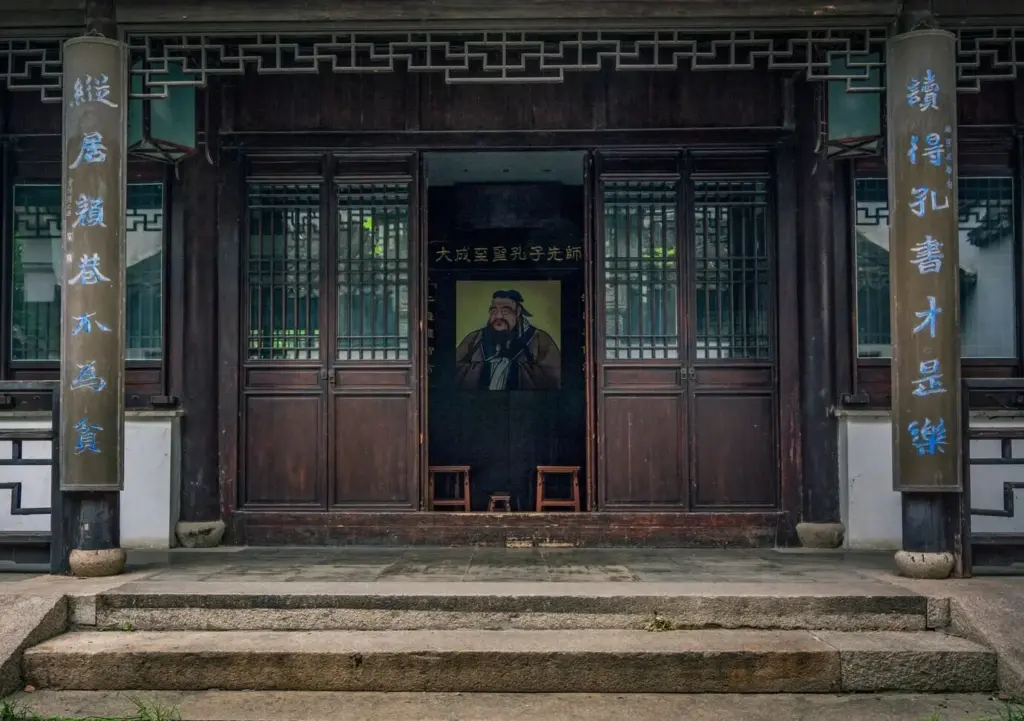
Back-court entrances often hide beneath flaking paint, low arches, or stacked pallets. Look for scuffed thresholds, polished stone from decades of footsteps, and hand-painted numbers that contradict glossy storefront signage. When a cracked door swings, notice warm light spilling onto damp cobbles. Frame the transition, then gently step closer only with a nod of acknowledgement, remembering that thresholds are living boundaries, not decorative backdrops.
Light, Shadow, and Color in Service Lanes

Back courts remix illumination in surprising ways: sodium bulbs buzz above icy skylights, tarps filter afternoon sun into emerald bands, and reflective tiles kick highlights onto burlap mountains. We will shape available light through timing, positioning, and small hand tricks, letting contrast reveal textures without harshness. Learn to protect skin tones, honor patina, and celebrate imperfections that make historic markets breathe with cinematic presence.

Timing for Texture

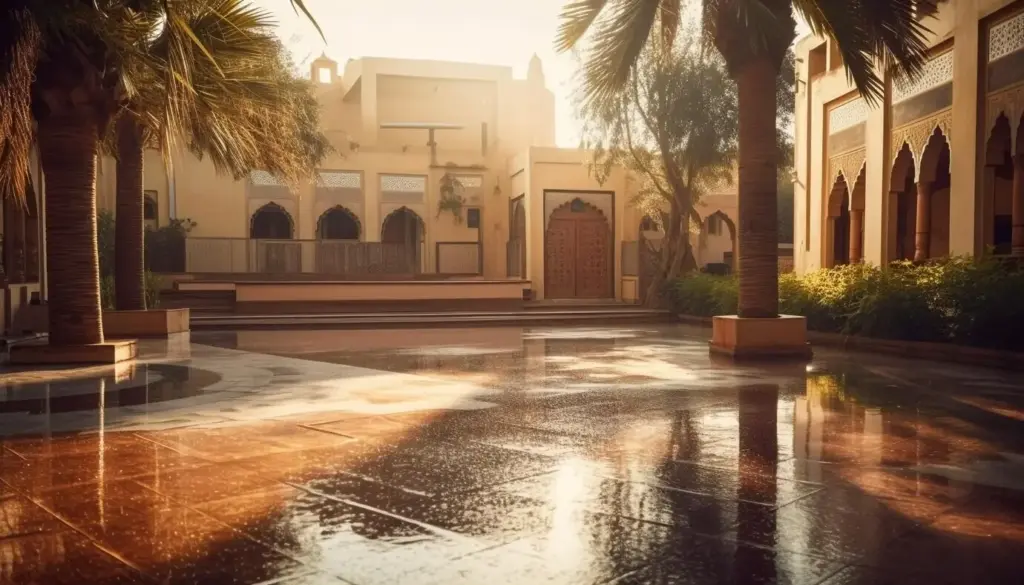
Chase the hour when low sun slips under awnings and grazes rough brick, turning shallow reliefs into sculptural statements. Dawn often delivers soft haze that flatters faces and lifts steam. After rain, puddles amplify contrast and depth. Keep a weather app handy, scout shadows the day before, and return when geometry aligns, because great texture is a patient collaboration between light, surface, and your feet.

Taming Mixed Color Temperatures

Service alleys frequently combine warm tungsten, cool daylight, flickering neon, and blue skylight. Set a neutral reference with a pocket gray card, shoot RAW, and decide whether to unify or play the dissonance. Split-toning can preserve mood while protecting skin. Custom white balance per micro-location helps, but storytelling sometimes benefits from gentle contrast between sources, suggesting layered histories without turning authenticity into cartoon color.

Reflections, Bounce, and Improvised Flags

Metal shutters, wet stones, and plastic crates become intuitive reflectors when you angle yourself deliberately. Use a folded receipt as a tiny flag to block flare, or a vendor’s white apron to bounce just enough fill onto eyes. Kneel to double a scene in a shallow puddle, then shift slightly so ripples animate the frame rather than blur it into mush.

Trust through Small Transactions

If you feel like an outsider, purchase tea for the crew during a delivery break and listen before lifting the camera. This tiny reciprocity rebalances the encounter. Share back-of-camera previews, ask names, and jot pronunciation. Promise prints only if you genuinely return. When you do, the exchange becomes a story bridge that withstands suspicion and invites future frames filled with unguarded gestures.

Candid or Collaborated?

Candid frames can honor spontaneity, yet collaboration often reveals layered pride, humor, or craft. Ask where workers prefer to be shown, position them within tools they respect, and welcome micro-adjustments they suggest. The resulting portraits carry shared authorship. When moments are sensitive, lower the camera and wait. Silence is sometimes the only permission worth accepting, and that restraint will sharpen your narrative intuition.

Sequences that Carry a Narrative

Think in triptychs: approach, action, aftermath. Start wide to establish context, move medium for relationships, finish tight on hands, textures, or receipts. Repeat across different deliveries to compare rhythms. Later, edit sequences that breathe, mixing pauses with crescendos. When published, captions should respect anonymity if requested, foreground craft over spectacle, and encourage viewers to consider the human choreography sustaining beloved marketplaces.

Composing in Tight Quarters

Constraints can concentrate creativity. Narrow passages reward precise angles, careful layering, and awareness of elbows. We will use geometry to clean chaos, seeking frames within frames, unexpected diagonals, and playful symmetry. By choosing vantage points that protect privacy while clarifying story, you will transform cluttered service zones into legible scenes where textures, gestures, and history cooperate rather than compete for attention.

Tools that Travel Light

Mobility matters when back courts twist unpredictably. Favor compact bodies with silent shutters, fast primes, and stabilization that forgives hurried footing. A small sling carries spare batteries, microfiber cloth, and a roll of gaffer tape to silence rattles. Keep rain covers ready, plus a tiny notebook for names and maps. Lightweight choices earn goodwill, reduce fatigue, and let curiosity outrun hesitation.

Safety, Etiquette, and Local Histories

Navigating Carts, Cables, and Corners

Back courts hide uneven stones, slippery drains, and low-hanging hooks. Walk the route once without a camera, noting hazards and safe pockets to pause. Tuck elbows, keep straps short, and announce yourself at blind corners. If someone signals stop, stop. Safety respects workers’ rhythms first, photography second, and your calm presence earns access far more reliably than any badge or grin.

Customs, Dress, and Shared Spaces

Markets often adjoin places of worship, schools, or housing. Know prayer times, lunch breaks, and quiet hours. Cover shoulders where expected, remove hats when requested, and keep laughter soft near resting elders. Share space generously; stand where you block least. If children gather, redirect politely and involve guardians. Your sensitivity communicates professional care, transforming fragile backstage corridors into welcoming, collaborative environments.

Research that Deepens the Frame

Dive into archives, talk to historians, and ask long-time traders about transformations they have witnessed. Istanbul’s hans, Marrakech’s foundouks, London’s yards, or Delhi’s katras each encode distinct logics. Understanding why a staircase turns or a window is bricked will guide composition. Notes from these conversations become captions that teach, inviting audiences to value preservation efforts and support the communities that animate these spaces.
Lumavirotelitavolento
Privacy Overview

This website uses cookies so that we can provide you with the best user experience possible. Cookie information is stored in your browser and performs functions such as recognising you when you return to our website and helping our team to understand which sections of the website you find most interesting and useful.