
Hidden Grids Behind the Marketplace
Step into the overlooked arteries that once pulsed behind guildhalls and shopfronts by mapping the backland networks of alleyways, passages, and rear courts in medieval trading districts. We will trace how clandestine routes, service yards, and quiet thresholds shaped commerce, community, and control, revealing patterns that façades concealed. Expect archival discoveries, reconstructed paths, and story-rich cartography that connect dusty charters and soil layers with lived movement, urgent deliveries, and the brisk choreography of forgotten urban logistics.


Charters, Deeds, and Rent Rolls
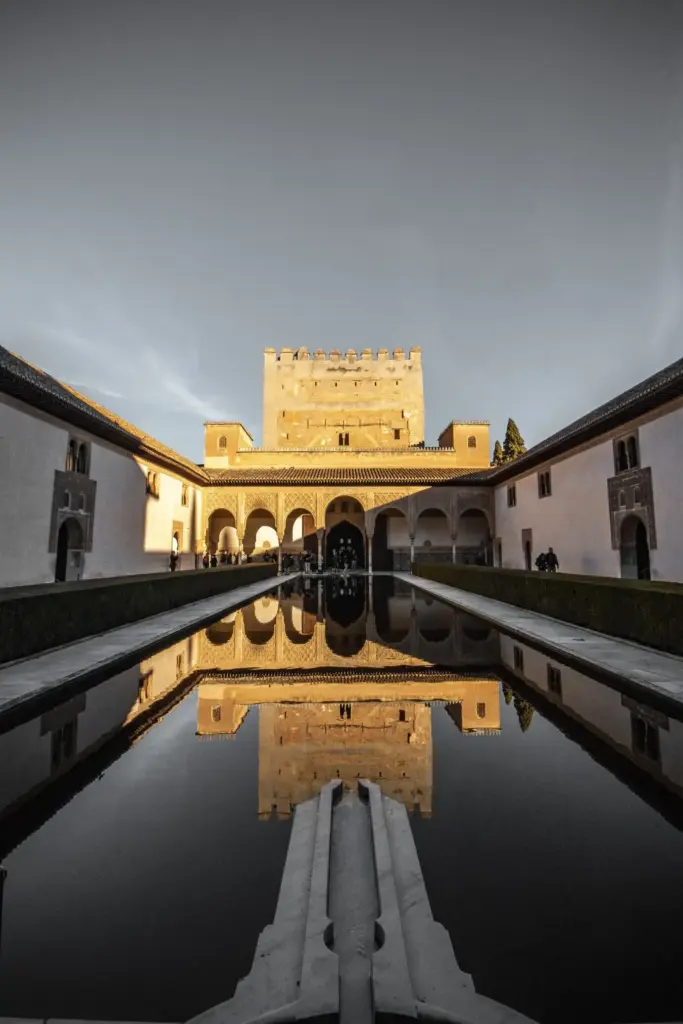
Notarial formulas can seem dull, yet among legal boilerplate we find verbs that move. A deed might grant ingress and egress with wheel and beast through a back court, sunrise to curfew, except feast days. Rent rolls list casks stored near the shared pump, implying traffic and pauses. Cross-referencing witnesses reveals neighbor constellations whose livelihoods depended on these allowances. Each clause becomes a waypoint, each quitclaim a widened hinge, until a network surfaces from prices, signatures, and conditional rights.
Archaeological Trenches and Soil Micromorphology

Beneath modern paving, compacted silts record where feet hesitated and carts pivoted. Micromorphologists read crushed phytoliths, soot flecks, and dung minerals like annotations, distinguishing hearth ash from stable floors and drain silts from flood-backwash. Wheel ruts create twin ribbons of silt-rich polish guiding us toward recurring maneuvers near gates. Contextualizing shards of green-glazed jugs with hoof prints and nail scatters lets us match workflows to space, allowing models to respect the granular memory packed into every centimeter.
Historic Maps, Lidar, and Photogrammetry
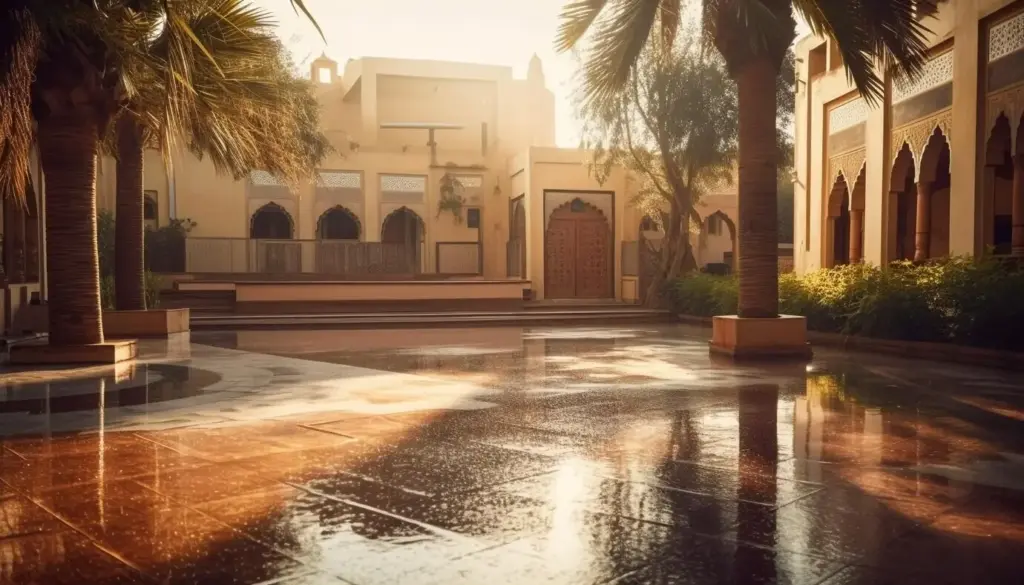
Early plans distort proportions, but their stubborn kinks often echo older constraints. By aligning them to modern basemaps with gently elastic rubbersheeting, then overlaying lidar microrelief and photogrammetric meshes, we glimpse terrace breaks, ghosted walls, and persistent alleys. Light detects the barely perceptible step where a gate once pinched movement. The digital stack welcomes annotation from community historians who recognize a doorway’s stubborn draft or a stone’s polish, helping reconcile pixels and memory into routes that ring true.
Cartographic Method: From Trace to Network
We convert scattered clues into a working system. Nodes capture doors, stairs, stiles, and pivots; edges encode width, surface, slope, and right-of-way; and time-stamped attributes model curfews, fairs, and floods. The result is a living network where pathfinding simulates porters under pressure and steers delicate wares away from jolts. Rather than impose neat geometry, we let contradiction breathe, reserving uncertainty where evidence frays, and indicating alternative corridors whose probabilities shift with season, weather, and watch schedules.




Markets in Motion: Logistics Behind the Stalls
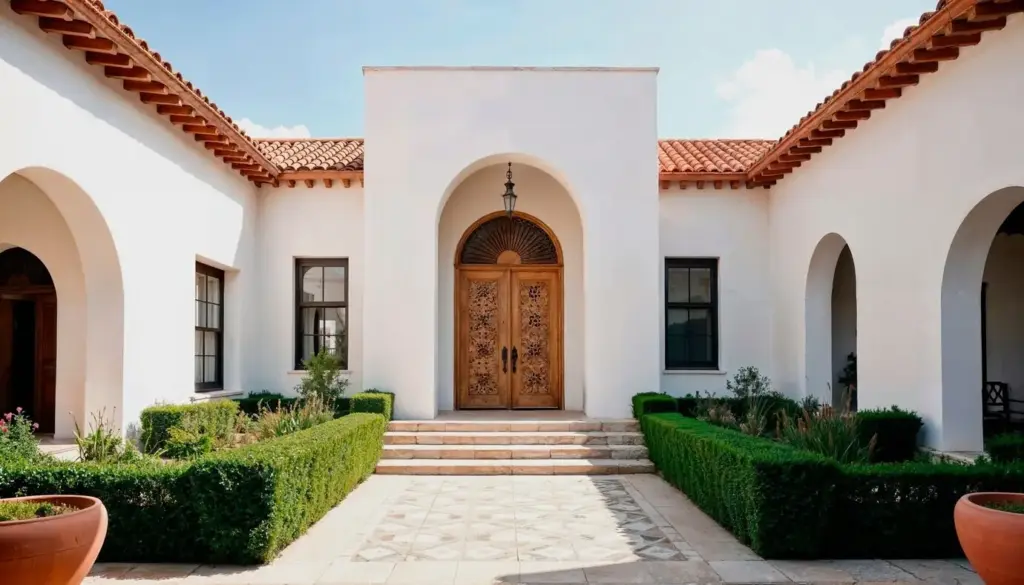
Public squares dazzled, but deliveries decided profit. Early carts staged in rear yards; apprentices relayed messages; and bell times choreographed flow. A misplaced heap of firewood could block a butter run and spoil temperamental cargo. Our reconstructions spotlight micro-bottlenecks where impatience, mud, and custom met. Understanding these circuits reframes fairness disputes, guild privileges, and fines for spillage, revealing how kindness at a gate or a bribe at dusk shaped livelihoods as surely as treaties or taxes.
Stories from the Backlands
A network becomes trustworthy when it tells stories that fit both document and doorway. We share moments when choices hinged on inches: a cart’s tilt, a latch’s mood, a cobble’s frost. These vignettes anchor analysis in lived pressure and relief, encouraging readers to test routes with their own instincts. If you recognize echoes in your city’s courtyards, add your voice; collective memory sharpens lines and lends courage to redraw paths once blurred by renovation or routine forgetfulness.
A hoop slipped; a cask ran laughing. The cooper sprinted through a narrow dogleg, shouting apologies as a boy tossed a wedge from a doorway only neighbors knew. Our model recreates the chase using slope, cobble wear, and eyewitness fines, showing why the barrel chose the left-hand plunge. The story illuminates a risky shortcut later formalized by a small curb, turning embarrassment into policy and reminding us how mishaps codify movement more quickly than any council decree.
Rain hammered, Ouse swelled, and rear drains gurgled warnings. A baker’s daughter tugged a shutter pin, sending flour down a loft chute to a drier courtyard while neighbors unbolted a seldom-used sally gate. Our reconstruction overlays flood heights with ledger timings, explaining the improvisation that saved stores and friendships. The gate’s hinges scar new timber by morning, and a scribe notes a temporary right of passage. Catastrophe—managed through small decisions—etches new lines that maps must honor.
Denied the wide street by a guild rival, a widow negotiated a clever clause: weekday passage for a single handcart through a back court at prime hours, in exchange for roof repair and shared well maintenance. The deed’s Latin bristles with caution, yet footprints in compacted ash confirm persistent use. Modeling the clause reveals a ripple—neighbors benefit from renewed paving and safer turning radii. Private resilience becomes public utility, a quiet triumph that outlived signatures and softened grudges.

Revealing Paths for Future Cities
Understanding yesterday’s hidden routes helps today’s planners, curators, and neighbors negotiate tight spaces with imagination and care. Reopening or interpreting permeable passages can ease congestion, enrich walking culture, and balance tourism with resident dignity. Transparent mapping that shows uncertainty invites stewardship rather than mere consumption. We propose ways to mark former hinges with subtle cues, share open data responsibly, and welcome corrections. Subscribe for updates, comment with local knowledge, and help refine a living atlas that learns from every step.

Wayfinding that Honors the Past
Discreet markers, tactile paving, and layered digital overlays can whisper, not shout, guiding feet along plausible lines while preserving mystery. Interpretive plaques might quote archival clauses or tradespeople’s jokes rather than summarize grand narratives. Temporary installations could rehang replica keys where gates once swung, turning memory into playful prompts. By testing routes with families, elders, and night-shift workers, we ensure accessibility and delight, letting visitors feel the hum of backstage labor without flattening nuance into souvenir shortcuts.
Conservation Without Sanitization
Preservation should protect edges, stains, and awkward turns that tell stories of friction and care. Cleaning every surface smooth erases the instructive resistance that once trained hands and feet. Conservation can instead stabilize vulnerable masonry, reveal drainage logic, and maintain controlled roughness. Policies that respect informal uses—delivery nooks, bench-worthy stoops, and shelter from sudden storms—keep spaces alive. Share photographs, memories, and concerns so interventions reinforce lived patterns rather than impose theatrical stillness on hardworking corridors.
Invite Participation and Share Data
This atlas grows through community attention. We publish evidence tiers, rationale for conjectures, and versioned routes so readers can challenge, refine, or confirm segments with street-level experience. Teachers might stage walking seminars; shopkeepers can note morning pinch points; archivists may spot overlooked clauses. Annotated photos and sensor traces enrich context, while respectful moderation protects contributors. Join the mailing list, add a marker, or recount a family shortcut. Together we can keep these quietly decisive pathways open, legible, and kind.
All Rights Reserved.