
Behind the Archways: Life and Welcome in Hidden Courtyards
Today we journey into ‘Inn Yards and Coaching Courtyards: Hospitality Hubs Behind Historic High Streets,’ revealing how discreet archways opened into lively worlds of hoofbeats, lantern light, and rapid exchanges. We will trace architecture, customs, and characters that animated these spaces, while inviting you to share photos, local anecdotes, or family histories tied to inns, posting houses, and courtyards remembered or rediscovered on your travels.
From Hooves to Hearth: How Travel Shaped Urban Backlands
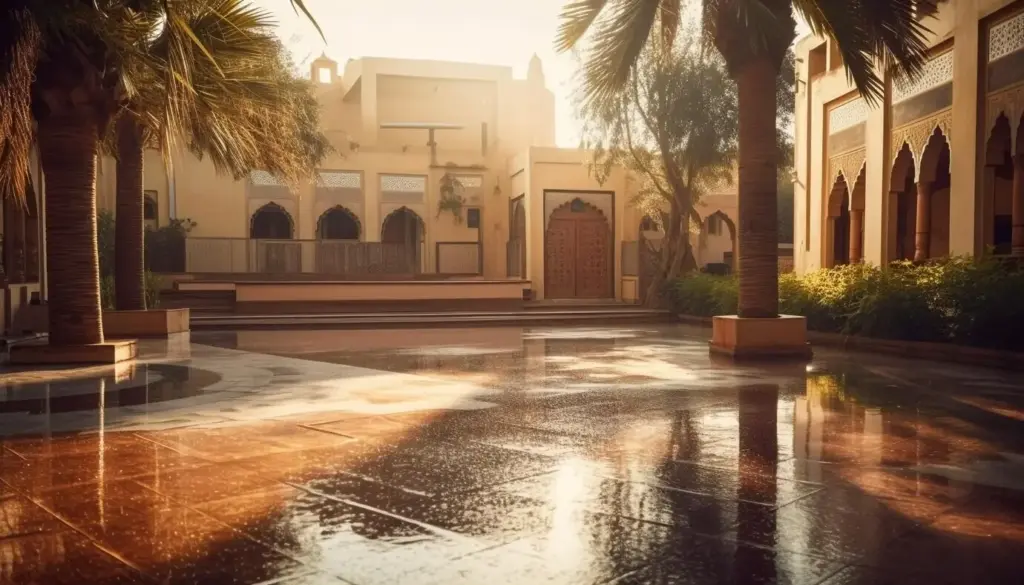
Before railways, the true pulse of a high street often beat just behind it, where stagecoaches rattled into yards and travelers stepped from mud to hearth in one breath. These courtyards formed self-contained ecosystems, blending logistics, hospitality, and news. Understanding their rhythms reveals how movement knitted distant towns together and why so many backland passages still structure pedestrian shortcuts and social encounters today.
Coaches ran to tight timetables, with ostlers ready to change teams within minutes and porters sorting trunks as horns signaled arrivals. Dawn brought the mail coach; dusk gathered stragglers under flaring lamps. Within the yard, everything moved with practiced choreography, from watering troughs to warm kitchens, ensuring passengers, parcels, and gossip never lingered longer than a quick shoeing or steaming bowl of broth.
Behind every comfortable bed and hot pie stood a web of labor: blacksmiths resetting shoes, cooks stretching seasonal produce, laundresses hurrying between galleries, and stablehands bedding stalls. Carriers booked spots beside coach houses while locals negotiated credit over ale. Their combined effort transformed cramped spaces into lifelines for travelers and towns, stitching together journeys with dependable service and unheralded care.
Architecture within the Arch: Gateways, Galleries, and Stables
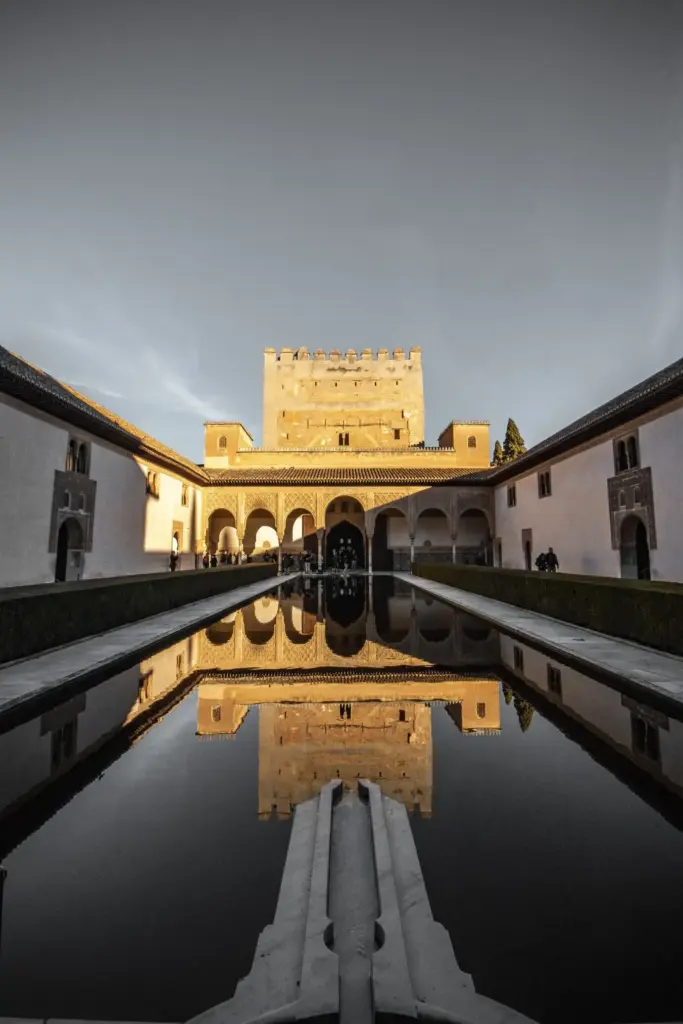
Step beneath a carriage arch and the town rearranges itself: cobbles spread into a rectangle, timber galleries line the upper stories, and stable blocks stretch to rear ranges. These built forms balanced protection and flow, keeping animals separate yet accessible, rooms aired yet near. Architectural traces—grooved thresholds, tether rings, soot shadows—still narrate centuries of arrivals, departures, and the measured hum of practical hospitality.




A Night at The George, Southwark
Timber galleries at The George have witnessed centuries of comings and goings, from merchants bargaining to actors lingering after performances across the river. Imagine the clatter fading as candles are pinched out and a final toast warms the room. Visitors today still feel the layered presence of innkeepers, ostlers, and strangers briefly connected by shelter, supper, and the happenstance of arriving the same drenched evening.
Celia Fiennes and the Art of Arrival
Celia Fiennes crossed England on horseback in the late seventeenth century, recording lodgings, markets, and landscapes with brisk clarity. Her notes hint at the expectations shaping courtyards: efficient stabling, honest charges, and reliable beds. Reading her observations beside a surviving yard lets us feel continuities of comfort and caution, while encouraging modern travelers to jot impressions that future readers might likewise prize for candor and detail.
Letters, Parcels, and the News
Mail coaches earned their authority by speed and regularity, turning yards into nightly newsrooms where grooms, clerks, and passengers traded headlines. A fresh arrival could scatter rumors faster than spilled grain. Newspapers met parcels, and private letters sometimes found public consequence. If your family saved a dated ticket or luggage label, photograph it and tell us how that small paper thread still binds places together.
Economies in the Courtyard: Markets, Credit, and Ale
These spaces were engines of local commerce. Carriers hired bays, farmers arranged deliveries, and auctioneers borrowed the crowd for sales. Taverns brewed connections as well as beer, extending credit lines that rippled through neighborhoods. The yard’s bustle turned into livelihoods for many, from pastry cooks to wheelwrights. Explore how money, mutual trust, and careful bookkeeping kept travelers fed, animals shod, and communities resilient in lean seasons.
Auctioneers and Itinerant Trades
Auction days pulled strangers into tight quarters with locals, leveraging the courtyard’s built-in audience. Pedlars, fiddlers, and chapmen arrived with wares and news, enlivening intervals between coach changes. Sales of surplus tools or livestock might decide a season’s fortune. If your town remembers a famous hammer or rostrum, share the tale—and any photograph of the yard where bids rose like chimney smoke.
Ale, Food, and Local Supply Chains
Behind the ale was barley, hops, and barrels carted by neighbors; behind the pie, a butcher and baker threading lanes at dawn. Courtyards orchestrated these micro supply chains with everyday genius. Recipes traveled alongside passengers, reshaping menus and expectations. Tell us about a regional dish you’ve tasted in a restored coaching inn, and how its ingredients still echo surrounding fields, markets, and patient kitchen craft.
From Coach to Rail to Boutique Retreat
With the surge of railways in the nineteenth century, traffic drained from yards toward stations, forcing reinvention. Some became carriers’ depots, then motor garages; others slid into workshops or housing courts. Today, sensitive restorations revive courtyards as pubs, hotels, arts venues, and co-working spaces. We’ll celebrate good reuse, spotlight challenges, and invite you to recommend places where old cobbles still welcome new kinds of arrival.

Railways Redraw the Map
Timetables shifted from turnpikes to platforms, compressing distances and loosening the stagecoach’s grip. Posting houses lost contracts; proprietors recalculated. Some yards fed passengers to early branch lines; others faded into quiet backlands. Reading railway guides alongside property adverts shows adaptation under pressure. Share a station-town where an old arch now frames bike racks, and how that threshold still gathers people despite changed vehicles and velocities.
Motor Age Transformations
The arrival of motor transport retooled space again: stables to garages, haylofts to storage, coach houses to repair bays. Fuel pumps replaced troughs, while signage brightened entries for drivers instead of postilions. Yet the central rectangle persisted, proving the spatial genius of a turning yard. If you’ve spotted grease-stained beams above cobbles, tell us how those palimpsests narrate horsepower evolving from hay-fed to petrol-fired.
Walking Guide: Finding Hidden Entrances on Your Next Trip
Look for tall carriage arches, soot-blackened brickwork, and a sudden shift from shopfront noise to echoing cobbles. Yard or Court in a name often signals survivals, as do projecting beams and drain runs sloping inward. Keep eyes open for tether rings near knee height. Share your discoveries by posting photos, pinning maps, and describing sensations—smells of timber, damp stone, or the faint clink of metalwork.

All Rights Reserved.